

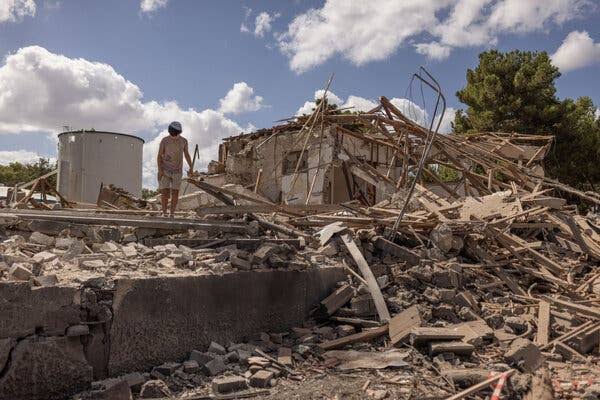
As tensions escalate in the Middle East, growing concern surrounds the safety of Nigerians residing in Iran and Israel.
With the region on edge due to rising hostilities, including drone strikes, missile threats, civil unrest, and military confrontations, the need for caution and diplomatic engagement has never been more urgent.
Nigerians living in both countries are being urged to adopt strategic survival practices and maintain constant communication with local authorities and the Nigerian embassies.
Speaking anonymously to Vanguard Consular Hub, a senior official from the Ministry of Foreign Affairs described the current situation as far from routine.
“This is no longer a typical diplomatic environment. Our citizens must act with foresight and discretion,” he warned.
In response, Consular Hub consulted diplomatic insiders, diaspora leaders, and security analysts to compile essential survival tips—focusing on safety, legal compliance, and cultural awareness—for Nigerians living in these high-risk zones.
Cultural Sensitivity and Legal Awareness in Iran
Iran is home to a significant Nigerian community, especially students and Islamic scholars in cities like Tehran, Mashhad, and Qom. However, survival in this environment now hinges on cultural understanding and strict adherence to local laws.
Mr. Sani Lawal, a Nigerian postgraduate student in Tehran, emphasized the importance of restraint. “Iran is not a place for activism or casual defiance. Many Nigerians don’t fully grasp the rules and end up in serious trouble,” he said.
Public behavior is closely monitored in Iran, and actions considered minor in Nigeria may carry serious legal consequences. Nigerians are strongly advised to respect Islamic dress codes—especially women—and avoid making political statements online or in public. Travel near sensitive areas like Sistan-Baluchestan and Khuzestan provinces should be avoided.
The Nigerian Embassy in Tehran remains active and can be reached through its consular line: +98 21 22 626 431. Citizens are urged to remain in contact, update their locations, and follow embassy advisories.
Heightened Caution in Israel
In Israel, which continues to experience periodic clashes near its northern and southern borders, Nigerians—most of whom are caregivers, students, or tourists—must exercise extreme caution. Authorities warn against attending political demonstrations or gatherings.
Mrs. Chinyere Obilo, a Nigerian immigration consultant based in Tel Aviv, advised, “You may feel free, but you’re in a militarized state. Pay attention to sirens, follow civil defense protocols, and ensure your visa status is valid. Overstaying could lead to serious consequences.”
Coordinated Response by Embassies and NIDCOM
Embassies in both countries are now working with Nigerian religious and community leaders to develop early-warning systems in case of civil unrest, arrests, or emergency evacuations.
The Nigerians in Diaspora Commission (NIDCOM) is also playing a key role. Chairperson Abike Dabiri-Erewa highlighted the importance of digital diaspora registration as a tool for accountability and swift evacuation if needed. “This isn’t just a formality—it’s a lifeline,” she said.
The Ministry of Foreign Affairs, in a recent advisory, stressed calm but urged vigilance. “This is not a time for panic, but a time for wise decisions. Obey local laws and remain in close contact with embassy officials,” the statement read.
Final Advice: Stay Alert, Stay Safe
With the security climate in the Middle East becoming increasingly unpredictable, Nigerians in Iran and Israel are strongly encouraged to prioritize their safety, avoid unnecessary risks, and remain discreet in both conduct and communication.