

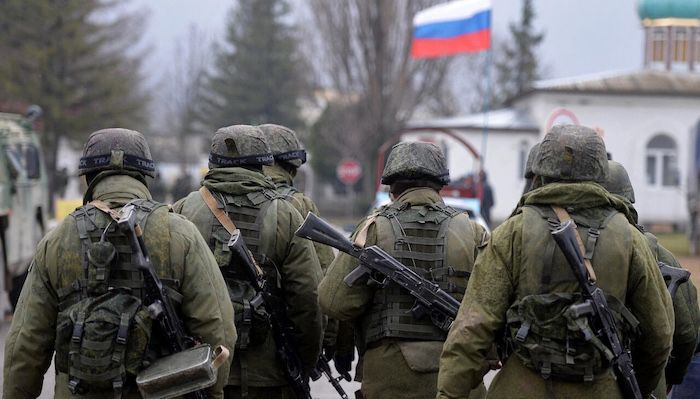
A new investigation has revealed that more than 1,400 African youths were recruited to fight for Russia in the ongoing Russia-Ukraine war, with over 300 reportedly killed, raising fresh concerns over the safety of young Africans and the nature of foreign engagement programmes.
The report, released by INPACT, stated that at least 1,417 individuals from countries including Nigeria, Ghana, Kenya, Uganda and South Africa were enlisted between 2023 and 2025.
According to the findings, no fewer than 316 of those recruited are believed to have died in the conflict.
The report contradicts earlier denials by Russian officials, who had consistently maintained that African nationals were not involved in the war effort.
In December 2025, a Russian diplomat, Natalia Krasovskaya, had said in Accra that African students in Russia were engaged solely in academic activities, while the country’s ambassador to Nigeria, Andrey Podyelyshev, also dismissed claims of Nigerian involvement as misleading.
However, testimonies from returnees, relatives and independent observers cited in the report suggest otherwise, pointing to cases of alleged deception and exploitation.
The investigation identified institutions known as Russian Houses, which promote language training, scholarships and cultural exchange, as possible channels through which some of the recruits were drawn.
It noted that many of the affected youths were reportedly lured with promises of education and employment opportunities, only to be redirected into military roles after arriving in Russia or occupied territories.
In Ghana, the report linked recruitment patterns to academic collaborations with institutions such as Novosibirsk State Technical University, alleging that 272 Ghanaians joined Russian forces, with at least 55 confirmed dead.
Similar concerns were raised in Kenya, where fatalities were revised upward from earlier estimates to at least 16.
Despite the growing evidence, Russian authorities have continued to deny any formal recruitment of Africans into the conflict.
Analysts said the discrepancy between official statements and emerging findings has heightened anxiety across African countries.
Security experts warned that the development reflects intensifying global competition for influence in Africa, with vulnerable youths increasingly exposed to risk.
Families across the continent have also expressed concern over reports of missing relatives, unexplained travel arrangements and deaths linked to the conflict.
The development has prompted calls for African governments to investigate recruitment channels, strengthen oversight of foreign exchange programmes and provide better protection for citizens seeking opportunities abroad.
Since the outbreak of the war in February 2022, many African countries have maintained neutral diplomatic positions, though the conflict has had economic and political implications across the continent.
Observers noted that the latest findings have raised questions about transparency and accountability in foreign partnerships, as well as the potential risks faced by young Africans.
They added that the report underscores the need for stronger safeguards to prevent exploitation and protect citizens from being drawn into external conflicts.