

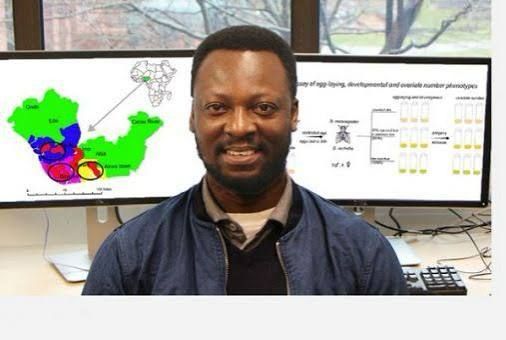
A Nigerian-born scientist based in the United States has said that relocating abroad significantly strengthened his professional capacity and broadened his research opportunities.
The scientist explained that his decision to leave Nigeria opened doors to better research facilities, international collaborations and advanced training, which have helped him grow professionally in the field of science.
Speaking during an interview, he noted that while Nigeria has many talented scientists, the lack of adequate funding, modern laboratories and structured support systems often limits the ability of researchers to reach their full potential.
According to him, moving abroad exposed him to a more enabling research environment where scientists have access to cutting-edge equipment, grants and global networks that enhance innovation and discovery.
“Leaving Nigeria actually deepened my professional capacity as a scientist. When you move into an environment where research is properly funded and laboratories are well equipped, it changes how you approach problems and how far your ideas can go,” he said.
He explained that the experience also allowed him to collaborate with experts from different parts of the world, which expanded his perspective on scientific research.
“In the United States, you are constantly interacting with people from different backgrounds who bring new ideas to the table. That kind of collaboration sharpens your thinking and improves the quality of your work,” he added.
The scientist stressed that beyond access to resources, the structured mentorship system in many foreign institutions also contributes to the growth of young researchers.
“You are guided by senior scientists who have spent decades in the field. They mentor you, challenge your ideas and help you refine your research. That mentorship plays a huge role in building confidence and competence,” he said.
Despite his success abroad, he expressed concern about the challenges facing scientific research in Nigeria, noting that many talented researchers are forced to seek opportunities outside the country.
He said, “Nigeria has brilliant minds. What is often missing is the environment that allows those minds to thrive. When you have limited funding, outdated equipment and very little institutional support, it becomes difficult for scientists to compete globally.”
The US-based scientist, however, called for stronger investment in research and development in Nigeria, stressing that improving scientific infrastructure would help retain talent and drive innovation.
According to him, providing modern laboratories, research grants and policy support for scientists would encourage many Nigerian researchers in the diaspora to collaborate more actively with institutions at home.
He added that while his journey abroad improved his career, he still hopes to contribute to the development of science and research in Nigeria in the future.