

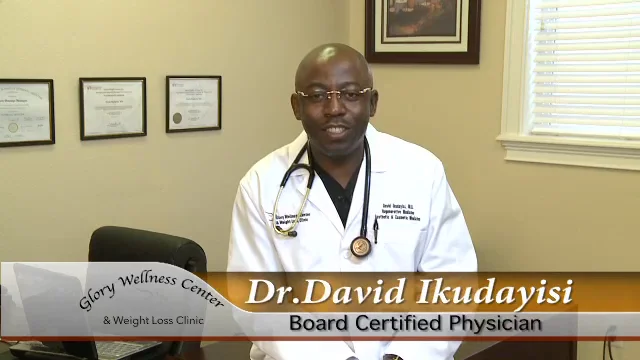
A Nigerian-American physician and pioneer in regenerative medicine has urged urgent policy reforms to halt the exodus of health professionals from Nigeria and to transform the country into a continental hub for advanced medical care.
Dr David Ikudayisi, founder and medical director of Glory Wellness and Regenerative Centre, spoke with journalists, insisting that the migration of health workers is neither inevitable nor irreversible.
He said practical steps including better pay, modern equipment and clear career pathways would substantially reduce the pressure driving skilled practitioners overseas.
“The solutions are not abstract. Good pay, attractive working conditions, sustained support for postgraduate training and credible incentives for research careers will keep our best hands at home. Health workers want to be valued, supported and given room to grow,” he said.
Born in Ondo State and trained across Europe and the United States, Dr Ikudayisi is a US board-certified physician in internal medicine with subspecialties in regenerative medicine, geriatrics and pain management.
He traced his involvement in regenerative therapies to Paris in 1995 and later established clinical centres in the United States and Nigeria during the 2010s.
Describing regenerative medicine as a paradigm shift that emphasises biological repair rather than symptom control, Ikudayisi explained the therapy’s scope and benefits.
“In simple terms, regenerative medicine helps the body heal itself. It focuses on repairing or restoring damaged cells, tissues and organs so normal function can return,” he said, noting its established role in orthopaedics and sports medicine and its growing applications in stroke recovery, diabetic complications and certain aspects of pain and sexual-health management.
Ikudayisi argued that Nigeria need not continue to send patients abroad for such care.
“Glory Wellness founded in Florida and now operating in Lekki, Lagos and in Abuja is offering locally delivered regenerative treatments”, he said, adding that the discipline can reduce medical tourism, strengthen local infrastructure and create new technical skills such as cell processing and imaging-guided procedures.
Beyond clinical gains, the physician said the development of a trustworthy regenerative sector governed by clear regulations, ethical practice and outcomes transparency would retain talent and attract patients from across Africa.
“If Nigeria builds trustworthy regenerative centres with proper governance, transparent outcomes and ethical practice aligned with regulatory guidance, we will not only retain talent but also attract patients from across Africa,” he said.
On practical reforms, Ikudayisi urged government to ensure timely access to grant funding by relaxing procedural bottlenecks such as centralised Treasury Single Account (TSA) approvals, which he said routinely delayed purchases of reagents and fieldwork.
“Before now, even when researchers got grants, the funds went into TSA, and accessing the money to buy reagents or go to the field became extremely difficult, especially when approvals were centralised in the Federal Capital Territory,” he said, warning that such delays hamper data collection and stall critical research.
Ikudayisi called for sustained investment in postgraduate training, research incentives and competitive remuneration to make clinical and research careers viable in Nigeria.
He envisaged a country where regenerative therapies are affordable and widely available, local clinicians lead innovation, and Nigeria exports expertise across the continent.
“I dream of a Nigeria where regenerative medicine is accessible, affordable and impactful for everyday people; where local doctors and scientists drive innovation; and where Nigeria becomes a regional leader exporting expertise and solutions to Africa,” he said, adding that his personal aim is “to bridge global innovation with local needs and help build a healthcare system that is homegrown, sustainable and truly transformative.”