

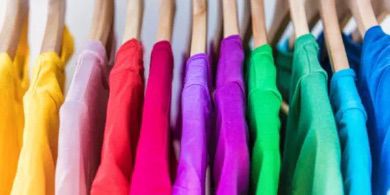
A growing number of Nigerians living abroad are increasingly buying clothes, shoes, bags, and accessories from home, reversing a long-standing preference for foreign-made products.
Items purchased from Nigerian merchants are shipped to their destinations overseas, reflecting a shift in shopping habits among the diaspora.
The trend is largely driven by the high cost of living abroad, where basic fashion items can be significantly more expensive than in Nigeria.
Many diaspora Nigerians now seek affordable ways to purchase and ship goods from home rather than buying locally.
Mrs. Chiwendu Osarodion, a Nigerian resident abroad, said, “I buy my food items, clothing, bags, shoes, and accessories from Nigeria. It is cheaper there than in my country of residence. Here, you can spend £150 for a pair of jeans, which is over N150,000, but I can get three to four quality jeans at the same rate in Nigeria.”
Boutique owners at home are benefiting from the surge in international orders. Mrs. Helen Tudunola said, “I have customers in the United Kingdom and the United States. They buy clothes, shoes, bags, and jewelry from me, and I help them waybill their items. When I got my first order from the diaspora, I was shocked because Nigerians usually value foreign products.”
Mr. Goodnews Lawrence, a Nigerian living abroad, added, “Shopping from Nigeria is less expensive. Most of my clothes, shoes, and perfumes are ordered from home. The only things I buy locally are food and winter clothing. Many Nigerian women abroad also order African food items from home.”
Mrs. Shade Okunloye, another diaspora Nigerian, explained, “I employ a trusted person in Nigeria to buy clothes, shoes, bags, hair extensions, and food items for me. She ensures everything is safely delivered via reliable logistics companies. It is cheaper and more convenient than shopping abroad, where prices are high and some services unreliable.”
Industry analysts said the shift reflects broader financial considerations, as diaspora Nigerians balance obligations abroad with responsibilities at home.
“The trend is also helping boost the visibility of Nigerian fashion brands on a global scale.