

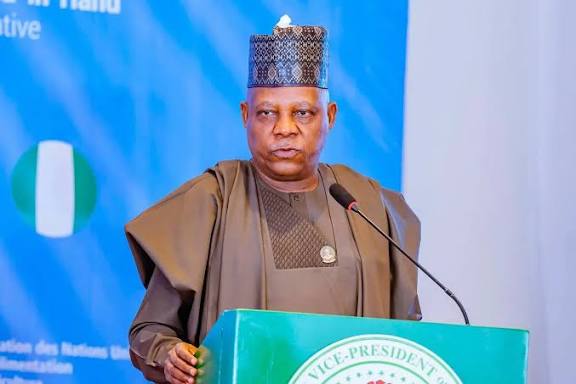
Nigeria’s presence at the 80th United Nations General Assembly (UNGA 2025) was more than just another diplomatic outing. It was a bold pitch to the world that the country is ready to take its place as Africa’s next big investment destination.
Led by Vice President Kashim Shettima, the Nigerian delegation made strong moves in New York, championing the country’s 200 billion dollar energy transition plan, pushing for a permanent African seat on the UN Security Council, and unveiling new Skills to Jobs partnerships that could transform youth employment back home.
But as analysts have pointed out, the true test now lies in how well the government turns these global promises into tangible progress for Nigerians battling inflation, power instability, and joblessness.
Nigeria’s Place on the Global Stage
Since joining the United Nations in 1960, Nigeria has used the UNGA as a platform to project African interests, from fighting apartheid in South Africa to advocating for debt relief in the early 2000s. This year’s assembly, marking the UN’s 80th anniversary, was no exception.
Vice President Shettima carried the Renewed Hope message of the Tinubu administration to the global stage, focusing on economic reform, climate resilience, and social equity.
The goal is to attract the right partnerships and investments to drive development for over 220 million Nigerians.
Nigeria’s Core Agenda
At UNGA 2025, Nigeria’s delegation outlined several key priorities:
Securing a Permanent Seat at the UN Security Council: Vice President Shettima emphasized that Africa deserves a permanent voice in global decision making, given its population size and the direct impact of the Council’s resolutions on the continent.
Reforming Global Finance: Nigeria pushed for a UN Convention on Taxation to curb illicit financial flows.
Climate Action: Reinforcing the nation’s commitment to the Paris Agreement and clean energy projects.
Peacekeeping and Security: Highlighting Nigeria’s leadership in regional stability and counter terrorism.
Economic Diplomacy: Marketing Nigeria as Africa’s production floor for global investors.
Diaspora Engagement: Strengthening ties with Nigerians abroad to drive innovation and remittances.
What It Means for Nigerians
The UNGA conversations were not just talk. They hold real implications for everyday Nigerians, especially in four key areas.
1. Women’s Empowerment
At a side event, Minister of Women Affairs Imaan Sulaiman Ibrahim announced a plan to empower 10 million women through the Nigeria for Women Project. This will expand digital access, small business loans, and entrepreneurial training to help more women build sustainable livelihoods.
2. Jobs and Digital Skills
During a Skills to Jobs event at Nigeria House, stakeholders from Tech4Dev, SemiColon Africa, and the World Bank unveiled new initiatives that could create up to two million tech jobs by 2026. With Nigeria’s youth unemployment hovering around 40 percent, this could be a turning point if properly implemented.
3. Investment and Infrastructure
Shettima’s meetings with global CEOs focused on securing funding for Nigeria’s 200 billion dollar energy transition plan, which mixes gas and renewable investments. If the deals materialize, they could reduce electricity costs for millions and create thousands of jobs in the construction and manufacturing sectors.
4. Health and Food Security
Nigeria’s delegation also joined regional talks on health financing and food production. With new World Bank loans worth 1.75 billion dollars targeted at agriculture and small businesses, the government hopes to improve local food output and nutrition.



 was more than just another diplomatic outing)