

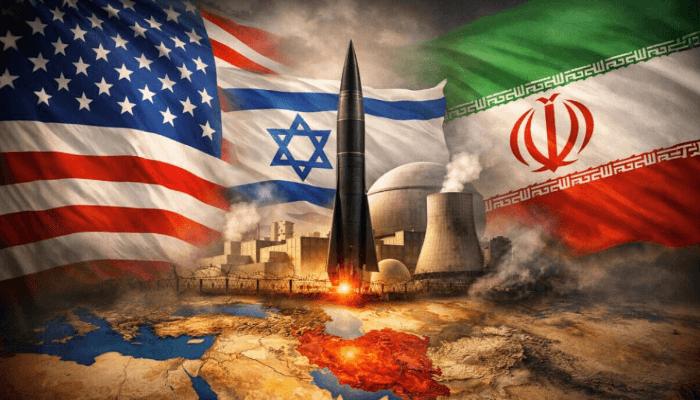
The Federal Government has raised concerns that escalating tensions in the Middle East could pose economic risks to Nigeria, particularly through fluctuations in global oil prices, capital flows, and domestic inflation.
In a statement issued on Tuesday, the Ministry of Finance said the government was closely monitoring developments in the region, noting that rising geopolitical tensions could affect the Nigerian economy through multiple channels despite the country’s improving economic outlook.
The ministry explained that volatility in international crude oil markets, potential disruptions to foreign capital inflows, and higher logistics costs could transmit external shocks to the domestic economy, pushing up the prices of fuel and other essential commodities.
According to the statement, the current instability in global energy markets is already exerting pressure on local prices of petroleum products, including petrol, diesel, cooking gas, and fertiliser, with the potential to worsen inflationary trends.
The Economic Management Team, chaired by the Minister of Finance and Coordinating Minister of the Economy, Wale Edun, recently met to review the possible economic implications of the Middle East crisis and assess developments in the domestic energy market.
During the meeting, the team also examined the naira-for-crude initiative designed to support local refining and reduce pressure on Nigeria’s foreign exchange reserves, while stressing the need for strong coordination among fiscal, monetary, and energy policy institutions.
The ministry noted that one major concern is the vulnerability of global oil supply routes, particularly the Strait of Hormuz, a key passage for international crude shipments, where disruptions could trigger spikes in oil and gas prices.
It added that global financial markets could also be affected as investors move funds to safer assets during periods of geopolitical uncertainty, a situation that could reduce capital inflows into emerging markets such as Nigeria.
Another potential impact highlighted by officials is the disruption of global shipping and logistics networks, which could lead to higher freight costs and translate into increased prices for goods and services within the country.
The ministry stated that the overall economic effect on Nigeria would largely depend on how long the conflict persists and the scale of escalation, warning that prolonged instability could raise the cost of living and intensify inflation in sectors such as manufacturing, agriculture, and transportation.
Despite the risks, the Federal Government maintained that Nigeria’s economy remains relatively resilient, pointing to recent improvements in key macroeconomic indicators.
It noted that the country recorded a real Gross Domestic Product growth of 4.07 per cent in the fourth quarter of 2025, one of the strongest quarterly performances recorded in more than a decade.
The government assured that policy institutions are prepared to respond to market volatility and protect households and businesses from the potential fallout of global disruptions.
Edun emphasised that authorities would continue to monitor developments closely and adjust policy measures when necessary to sustain investor confidence and safeguard the welfare of Nigerians.
The ministry added that fiscal, monetary, and energy policy teams were already reviewing various options, including foreign exchange interventions, domestic fuel pricing mechanisms, and support measures for businesses facing rising operational costs.
It stressed that the government’s proactive approach is aimed at maintaining economic stability, protecting supply chains, and sustaining the recovery recorded in the Nigerian economy over the past two years.